Learning Outcomes in Listing:
i. Understand the role of mitosis in producing genetically identical cells.
ii. Comprehend how mitosis contributes to organismal growth.
iii. Recognize the importance of mitosis in the replacement and repair of cells.
iv. Describe how mitosis enables asexual reproduction in certain organisms.
Summary
Students will gain an understanding of mitosis as a pivotal cellular process, ensuring that new cells carry the same genetic information as the parent cell. They will learn how mitosis is integral to the growth of an organism, from a single fertilized egg to a complex multicellular entity. The lesson will illustrate the critical role mitosis plays in replacing worn-out or damaged cells, maintaining the body's functionality. Additionally, students will explore how mitosis allows organisms to reproduce asexually, giving rise to offspring that are genetic replicas of the parent.
Summary of Lesson:
Mitosis is a form of cell division that is central to the life of multicellular organisms. It allows for growth, cellular replacement, and asexual reproduction, ensuring that each new cell contains an exact copy of the parent cell's genetic material. This lesson delves into the significance of mitosis and its contribution to biological growth and continuity.
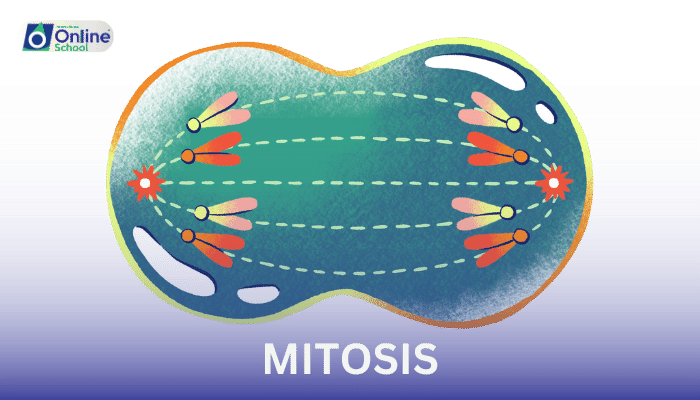
Genetically Identical Cells: Mitosis is meticulous in its process, dividing one cell's nucleus into two, with each daughter cell receiving an identical set of chromosomes, preserving genetic information across generations of cells.
Growth: From the development of a multicellular organism from an embryo to the increase in size of an individual, mitosis is at the heart of growth, providing additional cells that are identical and functional.
Replacement and Repair of Cells: As cells wear out or are injured, mitosis steps in to replace them, ensuring that tissues and organs maintain their function. This is evident in the healing of wounds and the daily renewal of skin cells.
Asexual Reproduction: In many plants, fungi, and single-celled organisms, mitosis is the means of asexual reproduction, producing offspring that are genetically the same as the parent, facilitating the spread and survival of species in various environments.
List of Important Questions for Self-Study:
i. Why is it important for daughter cells to be genetically identical to the parent cell?
ii. How does mitosis contribute to the overall growth of an organism?
iii. What would happen if mitosis did not occur when cells are damaged or die?
iv. In what ways does asexual reproduction depend on mitosis?
v. How does the body regulate the process of mitosis to prevent uncontrolled cell growth?
Important Terminologies Used in Lesson:
i. Mitosis: A process of cell division that results in two genetically identical daughter cells.
ii. Chromosomes: Structures within cells that contain DNA and genetic information.
iii. Asexual Reproduction: A mode of reproduction that does not involve the fusion of gametes, resulting in offspring that are genetic clones of the parent.
iv. Cell Differentiation: The process by which a cell becomes specialized to perform a specific function.
